Hydro Jetting: The Most Effective Alternative for Backed-up Drains
Hydro jetting has become a highly effective method for resolving clogged drains. This process employs high-pressure water jets to eliminate blockages and clear pipe interiors thoroughly. Unlike conventional techniques, hydro jetting offers a more extensive solution that supports long-term drain health. Yet, many homeowners stay ignorant of its full potential. Comprehending how hydro jetting works and recognizing its advantages could transform plumbing maintenance practices greatly. What factors should one consider before opting for this service?
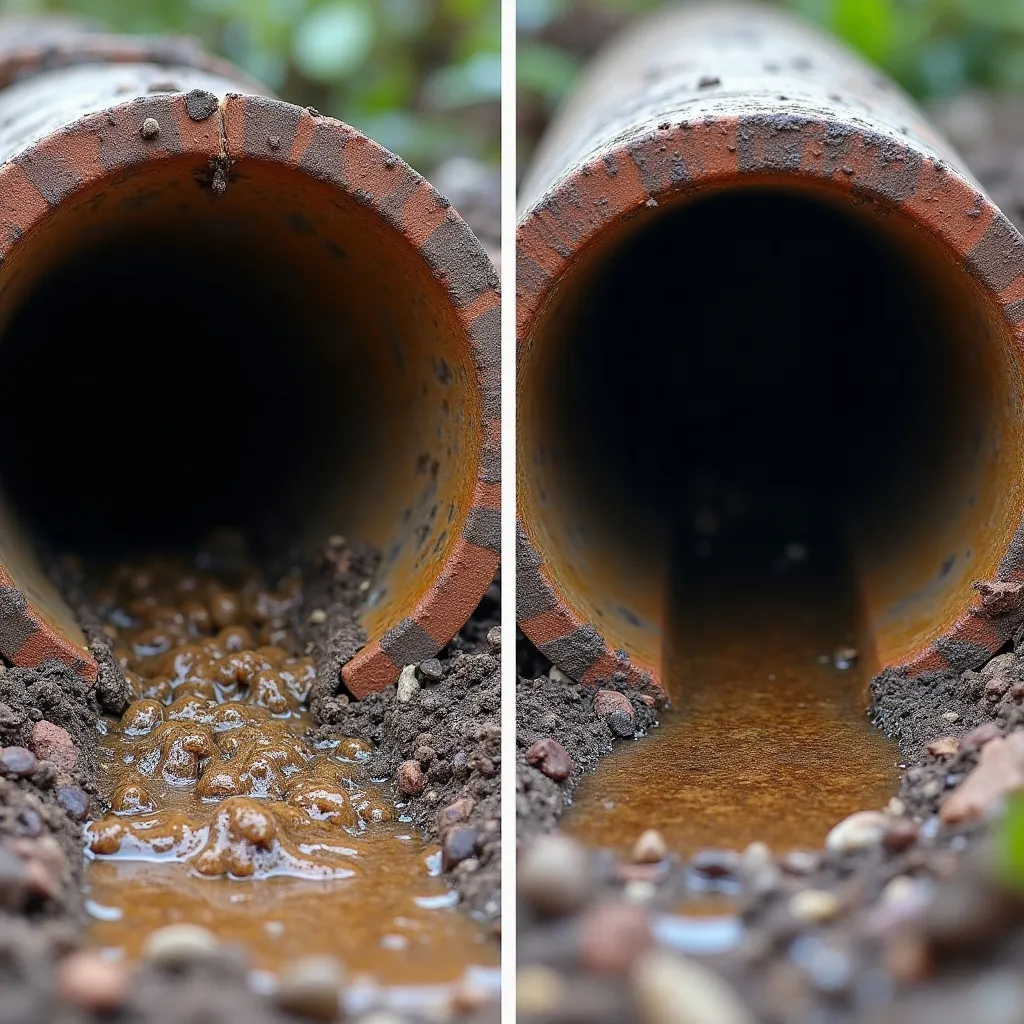
What Is the Method Hydro Jetting Operates?
The efficiency of hydro jetting lies in its advanced methodology. This procedure utilizes high-pressure water jets to clear stubborn clogs and buildup from plumbing systems. Initially, a technician places a custom hose into the affected drain. Once in place, the hydro jet produces water at pressures generally between 1,500 to 4,000 psi. This forceful stream effectively breaks up blockages, including grease, tree roots, and mineral buildup, while also cleaning the pipe walls.
The versatility of hydro jetting makes it appropriate for various drain sizes and materials, enhancing both domestic and commercial plumbing systems. Additionally, its thorough approach reduces the risk of repeat clogs by ensuring that the entire pipe interior is purified. By returning ideal flow and functionality, hydro jetting not only tackles immediate issues useful guide but also adds to the long-term health of drainage systems, positioning it as a favored solution for stubborn blockages.
Indicators You Should Consider Hydro Jetting?
Spotting the warning signs that reveal the demand for hydro jetting is necessary for maintaining clear and healthy drainage systems. Persistent blockages and stubborn foul smells can point to significant problems within the plumbing that basic approaches may not resolve. Dealing with these warning signs right away can avert severe issues in the future.
Recurring Clogs Happening
How can one determine if their drains need immediate care? Regular blockages are a significant sign that a drainage system may need hydro jetting. When drains continually become obstructed, it indicates an underlying issue, such as the accumulation of grease, debris, or tree roots. Homeowners may notice that conventional plunging or drain cleaning techniques offer only temporary solutions. Additionally, if multiple fixtures in the home are impacted at the same time, the problem could be more extensive than a basic clog. Disregarding these repeated blockages can lead to more serious plumbing problems, such as backups or pipe damage. Thus, identifying the signs of regular blockages is essential for preserving a healthy drainage system and avoiding costly repairs in the future.
Bad Scents Noticeable
Foul smells emanating from drains can signal deeper problems within a plumbing system, especially when accompanied by frequent clogs. These unpleasant odors often indicate the presence of rotting organic matter, grease buildup, or sewage leaks. When conventional cleaning methods fail to fix these issues, it may be time to reflect on hydro jetting. This advanced technique uses high-pressure water streams to efficiently remove stubborn debris and restore ideal flow. By addressing the root cause of foul odors, hydro jetting not only improves drainage but also boosts overall hygiene. Homeowners should not overlook these signs, as neglecting them can lead to more serious plumbing problems and costly repairs. Swift action can guarantee a cleaner, healthier environment for all occupants.
What Do the Advantages of Hydro Jetting?
Although conventional approaches of unclogging clogged drains can be effective, hydro jetting offers several distinct advantages that set it apart. This high-pressure cleaning approach utilizes forceful jets of water to remove stubborn clogs and debris from pipes. One significant advantage is its capacity to thoroughly clean the entire pipe interior, getting rid of build-up that may not be addressed by conventional methods.
In summary, hydro jetting is environmentally responsible, as it relies solely on water and does not require harsh chemicals. This method also reduces the risk of pipe damage, as it is gentler compared to traditional cleaning methods. Moreover, hydro jetting can enhance the longevity of plumbing systems by preventing future clogs and preserving ideal flow. Ultimately, these advantages establish hydro jetting as a top option for homeowners seeking effective and sustainable solutions for clogged drains.
What's the Difference Between Hydro Jetting and Traditional Cleaning Methods?
Hydro jetting delivers a powerful alternative to traditional cleaning methods when dealing with stubborn clogs. Its forceful water jets effectively dislodge debris and buildup, promoting extended drain health. In distinction, conventional techniques may only provide momentary fixes, leaving fundamental problems unsolved.
Excellent Ability to Address Tough Clogs
Blocked-up drains can be a vexing problem, motivating individuals to explore practical answers. Hydro jetting emerges as a commanding approach, deploying high-force water jets to eliminate even the most resistant blockages. Unlike basic methods, which may employ snaking or chemical solutions, hydro jetting confronts the fundamental problem by comprehensively cleansing the interior walls. This solution effectively removes grease, tree roots, and sediment accumulation, extending a all-inclusive solution. While basic methods may briefly ease clogs, they customarily leave surplus residue that can bring about future breakdowns. Hydro jetting not only dislodges the immediate blockage but also improves overall system efficiency, positioning it as a top-tier option for managing tough blockages and assuring reliable outcomes.
Extended Drain Wellness
To maintain drain health over the long term, effective cleaning methods are crucial. Hydro jetting stands out against traditional cleaning approaches, such as using a snake or chemical treatments. Snaking can clear immediate blockages, but it often fails to remove residual debris and buildup, which may cause future clogs. Hydro jetting, by contrast, uses high-pressure water jets to clean the entire pipe interior thoroughly, removing grease, scale, and other blockages. This extensive approach not only clears current issues but also minimizes the risk of recurring problems. Moreover, hydro jetting improves plumbing system longevity by preserving optimal flow and preventing deterioration. Thus, homeowners looking for durable drain solutions find hydro jetting to be a better option for long-term drain health.
How to Pick the Best Hydro Jetting Provider?
Picking the right hydro jetting service is vital for ensuring ideal plumbing maintenance. Homeowners should start by researching local contractors, prioritizing their background and standing. Examining online feedback and evaluations can give insights into a company's trustworthiness and level of service.
It is vital to ensure that the service employs qualified technicians who are certified in hydro jetting techniques. Inquiring about the equipment used is important, as advanced technology can enhance effectiveness and safety.
Also, customers should ask for complete bids, including potential ancillary expenditures. Transparency in charges can help avoid sudden expenses. Additionally, ascertaining that the service is licensed and insured safeguards you against obligations throughout the duration of the job.
Finally, a reputable hydro jetting service should offer warranties on their work, assuring customers of their commitment to lasting solutions. By adhering to these guidelines, homeowners can select a service that meets their plumbing needs successfully.
Commonly Asked Questions
Does Hydro Jetting Remain Protected for All Kinds of Plumbing?
Hydro jetting is not generally safe for all plumbing types. Older or fragile pipes may incur harm from pressurized water jets, while more durable systems can gain significantly. Seeking expert advice is crucial for optimal outcomes.
How Frequently Should I Think About Hydro Jetting?
Hydro jetting should be evaluated every 1 to 2 years for routine maintenance, especially in homes with aged pipe systems or frequent clogs. Regular assessments can help determine the optimal schedule based on individual drainage conditions.
Is it likely for Hydro Jetting to harm Old Pipes?
Hydro jetting can potentially damage old pipes, particularly ones constructed from delicate materials. Professionals typically assess pipe condition before proceeding, ensuring that the method suits the specific plumbing system to avoid costly repairs or failures.
What Are the Fees Associated with Hydro Jetting Services?
Hydro jetting solutions typically cost between $300 to $500, based on factors like location, severity of the blockage, and the plumbing company. Additional costs may arise for extensive services or specialized equipment requirements.
Should I Ready My Home Prior to Hydro Jetting?
Yes, getting your house prepared before hydro jetting is wise. This includes clearing the way to plumbing fixtures, removing any valuables nearby, and making certain pets and children are protected from the work area during the process.